

The safest way to move someone who can't walk
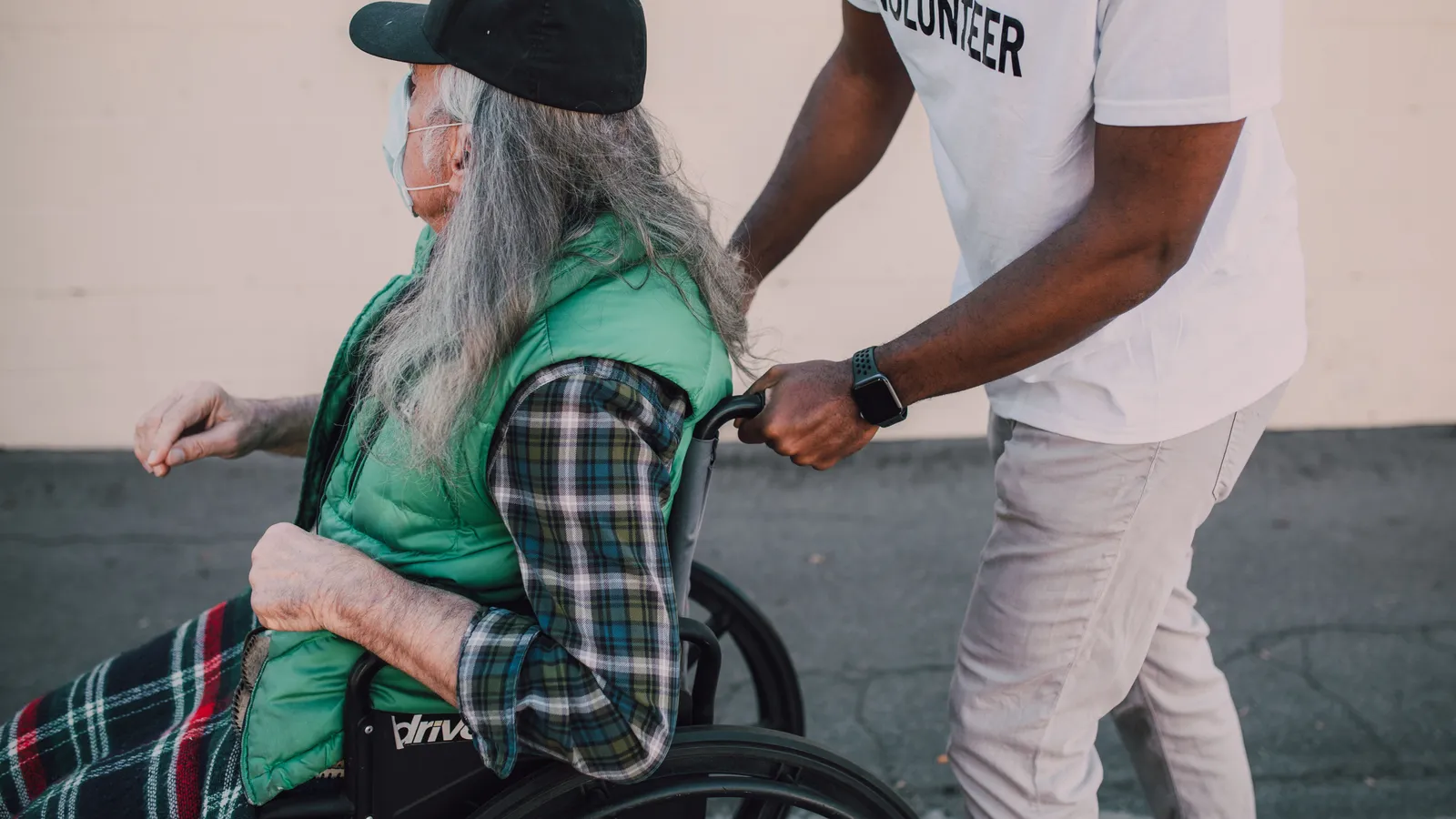
The safest way to move someone who can't walk is a wheelchair-accessible vehicle staffed by a trained driver, not a sedan or a favor from a neighbor. For how each vehicle type compares, see which type of medical transport is the safest. Trying to lift a non-ambulatory person into a regular car risks injury to both the passenger and the helper — and it rarely works if the person uses a wheelchair full-time. Purpose-built wheelchair transportation on Long Island solves this with a hydraulic lift or ramp, non-slip flooring, and floor tracks for securement. Across Nassau County towns like Baldwin and Bethpage and Suffolk hamlets such as Bay Shore and Centereach, DachiPlus drivers are trained to assess whether a rider needs a transfer to a padded seat or should stay in their own chair, locked in with four-point tie-downs and a lap-and-shoulder belt. This isn't a wheelchair taxi where the driver waves you toward the door — it's door-through-door service, meaning the driver assists from inside the home to inside the destination. If you've been searching "who wheelchair transportation Long Island City" and landed here, the same principles apply, but DachiPlus specifically serves Nassau and Suffolk, not NYC itself.
Wheelchair van vs. ambulette vs. wheelchair taxi
Choosing the right vehicle depends on how much help the rider needs, and the three options aren't interchangeable. A wheelchair van (WAV) has a ramp or lift and is right for someone who can't walk but is otherwise stable seated; the driver secures the chair or does a transfer-to-seat. An ambulette is a licensed medical vehicle for riders who need more hands-on assistance — DachiPlus arranges these through licensed WAV partners. Ordinary wheelchair taxis are point-to-point and typically skip the medical training and securement standards, which matters when the rider can't bear weight. Our full breakdown in ambulette vs. ambulance vs. wheelchair van and the deeper wheelchair van explained guide walk through each tier. For a fast comparison, NEMT vs. ambulette clarifies the licensing difference. Whether you're near Huntington Hospital or heading to a dialysis chair in Deer Park, the goal is the same: a vehicle matched to mobility, not just availability. If it's a true emergency — chest pain, active bleeding — call 911 instead; NEMT is strictly non-emergency.
Step-by-step: booking a ride in Nassau or Suffolk
Booking is a short call once you know the rider's mobility level and who's paying. First, note whether the person uses a manual chair, a power chair, or needs a two-person transfer — this determines the vehicle. Second, identify coverage: Medicaid, Medicare Advantage, private pay, workers' comp, no-fault auto, long-term care insurance, or VA Community Care all appear on our coverage and payment options page. For Medicaid rides, New York routes everything through MAS; call the NYS Medicaid transportation phone number, 1-844-666-6270, at least 72 hours ahead and request DachiPlus by name. The MAS Medicaid guide and our Medicaid booking walkthrough explain exactly what MAS asks. Private-pay families skip MAS entirely and call (516) 754-7777 directly. Give the pickup address, appointment time, destination (say, Stony Brook University Hospital or a Fresenius center in Commack), whether an escort rides along, and any equipment. DachiPlus serves the full Nassau County service area and Suffolk County service area, Mon–Sat, 6 AM–8 PM.
Who pays: Medicaid, Medicare, and beyond
Cost depends entirely on the payer, and non-ambulatory transport is often covered when a car isn't safe. New York Medicaid covers medically necessary wheelchair and ambulette transport arranged through MAS — see does Medicaid pay for an ambulette for the rules. Traditional Medicare mostly does not cover routine NEMT (that's a common surprise — Medicare Part D covers prescription drugs, not rides), but many Medicare Advantage plans add a transportation benefit; check Medicare Advantage coverage. Recovering from a car crash? No-fault auto coverage may pay. Injured on the job routes through workers' comp coverage, and veterans can use VA Community Care. If none apply, private pay accepts credit and debit cards. Many families ask how income limits like the federal poverty level factor in — those thresholds affect Medicaid eligibility itself, not whether a specific ride is covered once you're enrolled. To weigh options, Medicaid vs. private pay compares out-of-pocket versus covered rides for Long Island residents.
Recurring trips: dialysis, rehab, and adult day programs
For someone who can't walk and needs the same trip repeatedly, set up a standing schedule so you're not re-booking every week. Dialysis is the classic example: three sessions a week, same chair, same clinic, whether it's Fresenius Bay Shore or DaVita Smithtown. Our dialysis transportation service builds a recurring route, and the dialysis transportation Long Island guide covers scheduling around treatment fatigue. Post-stroke or post-surgery patients often need physical therapy and rehabilitation transportation two or three times weekly. Seniors attending programs like Parker Jewish Adult Day or a center in Huntington Station use adult day program transportation five days a week. Whatever the pattern, non-ambulatory riders benefit from consistency — the same trained drivers who know the transfer, the home's step layout, and the destination entrance. For a broader overview of who relies on these rides, see senior medical transportation. With Medicaid, ask the dialysis center or doctor's office to request a standing order through MAS; once the office enters it, the trips repeat without a new booking for each leg.
Frequently Asked Questions
How do you transport someone who can't walk to a doctor's appointment?
Use non-emergency medical transportation with a wheelchair-accessible vehicle. A trained driver helps with a transfer-to-seat or secures the wheelchair with tie-downs, then provides door-through-door assistance. On Long Island, call DachiPlus at (516) 754-7777, or Medicaid patients book through MAS at 1-844-666-6270.
What's the difference between a wheelchair van and an ambulette?
A wheelchair van (WAV) has a ramp or lift and can secure a seated wheelchair or transfer the person to a seat. An ambulette is a licensed medical vehicle for riders needing more assistance. DachiPlus provides wheelchair transport directly and coordinates ambulette rides via licensed WAV partners.
Does Medicaid pay to transport someone who can't walk in NY?
Yes. New York Medicaid covers medically necessary wheelchair and ambulette transport when arranged through MAS (Medical Answering Services). Call the NYS Medicaid transportation phone number, 1-844-666-6270, at least 72 hours ahead and request DachiPlus by name.
Can a family member ride along with someone who can't walk?
Usually yes. One escort or caregiver can typically ride along, especially for seniors, minors, or riders with cognitive needs. Confirm when you book, since Medicaid rides have specific escort rules.
Is a wheelchair taxi the same as wheelchair NEMT?
Not exactly. Wheelchair taxis focus on point-to-point rides; medical NEMT adds trained drivers, wheelchair securement, and door-through-door help for medical trips. For someone who can't walk safely, NEMT is generally the safer choice.
Sources
- NY State Dept. of Health — Medicaid for Members
- Medical Answering Services (MAS) — NY Medicaid Transportation Manager
- Medicare.gov — Ambulance & transportation coverage
Book NEMT on Long Island
DachiPlus safely transports riders who can't walk across Nassau and Suffolk Counties — with trained drivers, wheelchair securement, transfer-to-seat help, and door-through-door service, Mon–Sat, 6 AM–8 PM.
Medicaid patients: call MAS at 1-844-666-6270 at least 72 hours before your appointment and request DachiPlus.
Private pay: call DachiPlus directly at (516) 754-7777.