

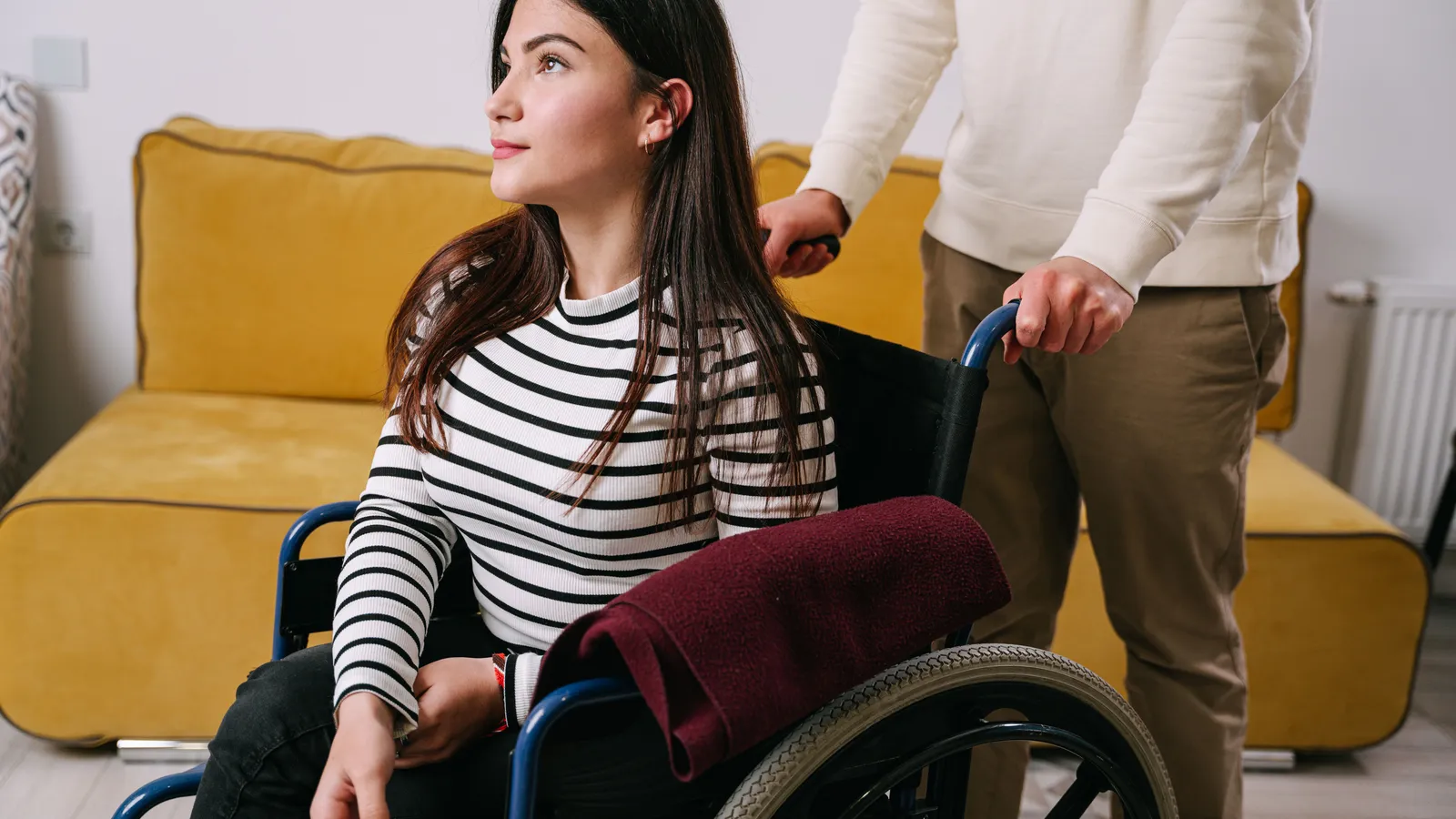
The Two Main Methods: Transfer-to-Seat vs. Secured-Chair
There are two safe ways to transport someone in a wheelchair, and the right one depends on the rider and the chair. In the first method — transfer-to-seat — the person moves from the wheelchair onto a regular vehicle seat, and a folding manual chair is stowed in the trunk or cargo area. In the second, the rider stays in their chair while a ramp or lift loads them into a wheelchair-accessible vehicle (WAV), where the chair is anchored. Around Hempstead and across Nassau County, many families with a lightweight folding chair use transfer-to-seat, while power-chair and scooter users almost always need the secured-chair approach. DachiPlus offers both through our wheelchair transportation on Long Island service — the transfer-to-seat option keeps the chair secured separately, and the WAV option keeps the rider safely in place. If you're unsure which fits your loved one, our dispatchers help you decide when you book. For a deeper comparison of vehicle types, our wheelchair van explainer breaks down ramps, lifts, and headroom.
Step-by-Step: Performing a Safe Manual Transfer
A safe manual transfer starts with locking the wheelchair brakes and clearing the path. Position the wheelchair at a slight angle to the vehicle seat, engage both brakes, swing away or remove the footrests, and fold up the armrest nearest the seat. Ask the rider to scoot forward, plant their feet, and — if they can bear weight — pivot with you supporting their trunk, not pulling on their arms. Use a gait belt for extra control, bend at your knees rather than your back, and never twist while lifting. In Hempstead homes and driveways across Nassau, uneven surfaces are the biggest hazard, so choose flat ground and set the parking brake on the car too. If the rider cannot bear weight, do not attempt a solo lift — this is exactly when a WAV with a lift is safer for everyone. Professional drivers who provide senior medical transportation are trained in these techniques, which is why so many families arrange assisted transfers rather than risking a fall. When in doubt, escalate to accessible-vehicle transport rather than forcing a transfer.
Securing a Wheelchair Inside the Vehicle
Securing the wheelchair correctly is the single most important safety step once someone is loaded in a WAV. The standard is a four-point tie-down system: two straps hook to the chair's front frame and two to the rear, all anchored to floor tracks so the chair cannot shift, tip, or roll. Just as critical is a separate occupant restraint — a lap-and-shoulder belt for the rider — because the tie-downs hold the chair, not the person. A wheelchair's own brakes are never enough on their own. This is the same securement standard used for dialysis transportation runs to centers like Fresenius Commack and DaVita Smithtown, where riders travel three times a week and safety can't be improvised. It's also why an ambulette or WAV differs meaningfully from a wheelchair taxi — for the distinctions, see our ambulette vs. ambulance vs. wheelchair van guide. Across Suffolk County towns from Babylon to Brentwood, DachiPlus drivers verify every strap before the wheels turn. If you're comparing options, our accessible transport service uses only compliant securement gear.
Which Vehicle Do You Need? Matching the Chair to the Ride
The right vehicle depends on the wheelchair type and whether the rider can transfer at all. A folding manual chair plus a rider who can pivot fits a standard sedan; a rigid power chair, a bariatric chair, or a rider who must stay seated requires a ramp- or lift-equipped WAV. Consider the destination too: a discharge from South Shore University Hospital in Bay Shore or Good Samaritan Hospital often means the patient is weaker than usual, tipping the decision toward a secured-chair ride. Everyday errands around Hempstead may work fine with transfer-to-seat if the rider is stable and can bear weight briefly with help. For medical trips, our non-emergency medical transportation matches the vehicle to the appointment automatically. Cost varies by vehicle and mileage; our overview of wheelchair transport costs explains what drives the price. When you book with DachiPlus, tell dispatch the chair type, the rider's weight-bearing ability, and any doorway or ramp constraints at pickup so we send the correct vehicle the first time.
Paying for Wheelchair Transportation Around Hempstead
Wheelchair transportation is often covered when it's medically necessary, and Long Island residents have several paths to pay. New York Medicaid covers non-emergency wheelchair rides through the state broker MAS — call the NYS Medicaid transportation phone number, 1-844-666-6270, at least 72 hours before your appointment, request DachiPlus by name, and keep your CIN handy; our MAS Medicaid guide and Medicaid coverage overview walk through every step. Many Medicare Advantage plans include a set number of routine transport trips per year, and private pay (credit or debit card), workers' comp, no-fault auto, long-term care insurance, and VA Community Care are all accepted. Coverage rules differ from plan to plan, so it pays to confirm your specific one before the trip rather than after it. Whether you're in Hempstead, Freeport, or anywhere in our Nassau County service area, DachiPlus dispatchers can tell you which payment route fits before you commit. Call (516) 754-7777 to confirm coverage.
Frequently Asked Questions
What's the safest way to move someone from a wheelchair into a car?
For manual transfers, position the wheelchair at a slight angle to the seat, lock the brakes, remove the footrests, and pivot the person onto the seat while supporting their trunk. Many riders find a WAV (wheelchair-accessible van) safer because they never leave the chair — a ramp or lift loads them, and the chair is secured with four-point straps.
Do I need a special vehicle to transport a wheelchair user on Long Island?
Not always. A folding manual wheelchair can go in a standard car trunk with the rider transferred to a seat. But power chairs, scooters, or riders who cannot transfer safely need a wheelchair-accessible vehicle with a ramp/lift and securement system. DachiPlus provides both transfer-to-seat and secured-chair transport across Nassau and Suffolk.
Will Medicaid cover wheelchair transportation in Hempstead?
Yes, if it's medically necessary. New York Medicaid covers NEMT through the broker MAS. Call MAS at 1-844-666-6270 at least 72 hours before your appointment, request DachiPlus, and have your CIN ready.
How do I secure a wheelchair inside the van?
Trained drivers use a four-point tie-down system: two straps at the front and two at the rear anchor the chair frame to floor tracks, plus a separate lap-and-shoulder belt for the rider. Never rely on the chair's own brakes alone while the vehicle is moving.
Can a family member ride along during wheelchair transport?
Usually yes. DachiPlus welcomes a caregiver or family escort when space allows, which many Hempstead and Nassau families prefer for reassurance. For Medicaid trips, note the escort when you book through MAS.
Sources
- NY State Dept. of Health — Medicaid for Members
- Medical Answering Services (MAS) — NY Medicaid Transportation
- Medicare.gov — Ambulance & Transportation Coverage
Book NEMT on Long Island
Whether you need a transfer-to-seat ride or a fully secured wheelchair-accessible van, DachiPlus serves Nassau and Suffolk Counties with trained drivers and compliant securement equipment.
Medicaid patients: call MAS at 1-844-666-6270 at least 72 hours before your appointment and request DachiPlus.
Private pay: call DachiPlus directly at (516) 754-7777.